CONSTRUCTION
CONTINUITY
PLANNING

Memphis International Airport
Terminal Modernization & Seismic Program (TMSP)

Photo: Memphis International Airport

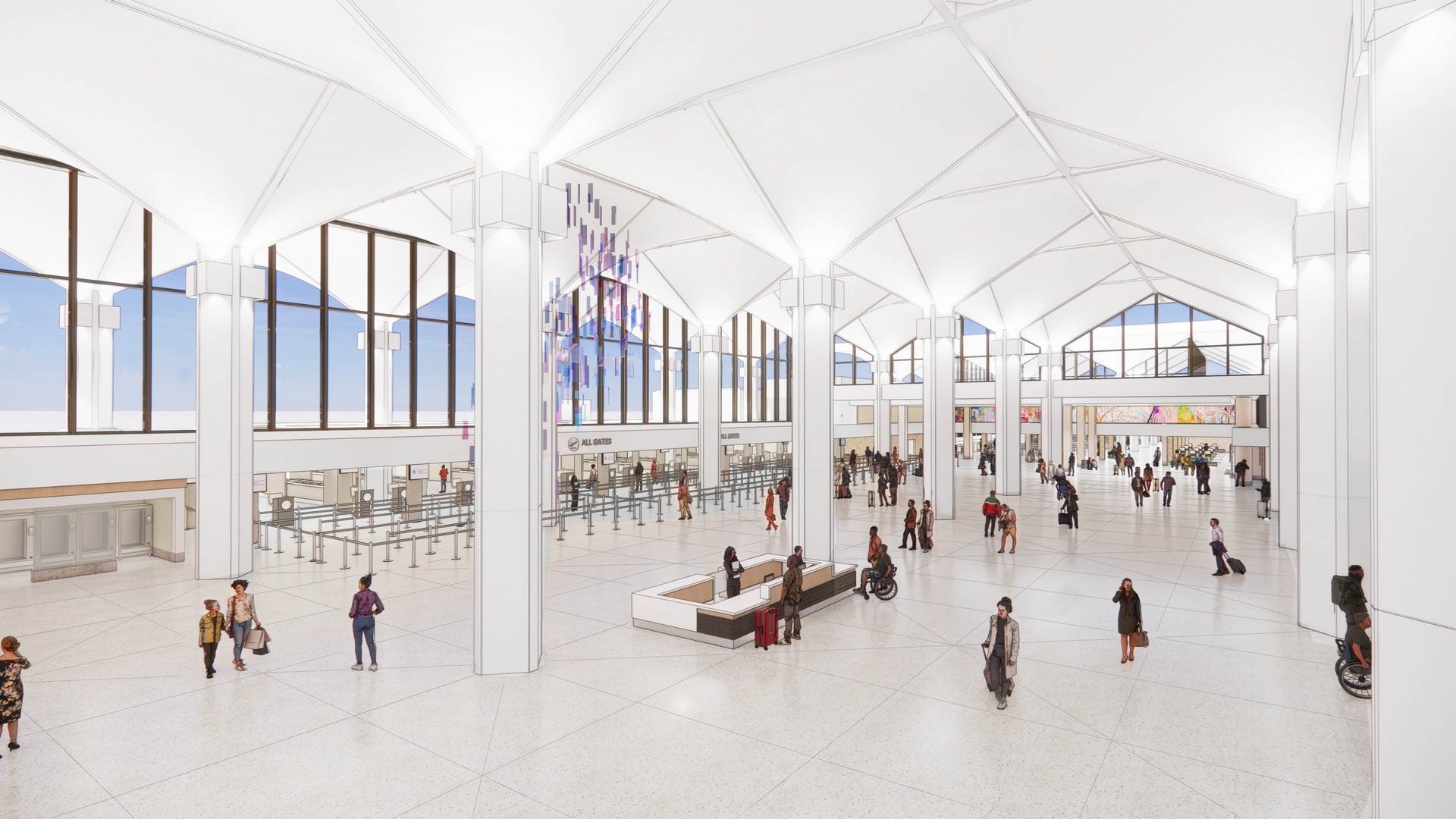
The Terminal Modernization and Seismic Program (TMSP) is the largest capital investment in Memphis International Airport (MEM)’s history, estimated at $650–$700 million and scheduled to run through 2030. Early phases include demolishing Concourse A, replacing the outer commercial drive, and building a new commercial ground-transportation lane. The main terminal upgrades will expand ticketing and baggage areas, enlarge the security checkpoint, relocate vertical circulation, and complete seismic improvements, with major construction beginning in 2027.   

TransSolutions provided simulation and analytical support to the MEM TMSP. Our role focused on validating programming requirements for key passenger flow functions, including the ticketing lobby, security screening, baggage claim, and vertical circulation.   

By applying advanced simulation techniques, our analyses provided insights to the design team, program managers, and construction manager on constructability, construction phasing, and operational performance throughout the project. This approach offered stakeholders information to support planning and evaluation of the end-state design concepts and construction phasing.   

Our analyses helped the modernization program maintain efficient operations and deliver a positive customer experience in areas such as the check-in lobby and security screening—even during active construction. Through this process, TransSolutions supported MEM’s long-term vision of providing passengers with a modern, resilient, and customer-focused airport.
Dallas Fort Worth Terminal Redevelopment

Photo: Dallas Fort Worth International Airport

Photo: Dallas Fort Worth International Airport

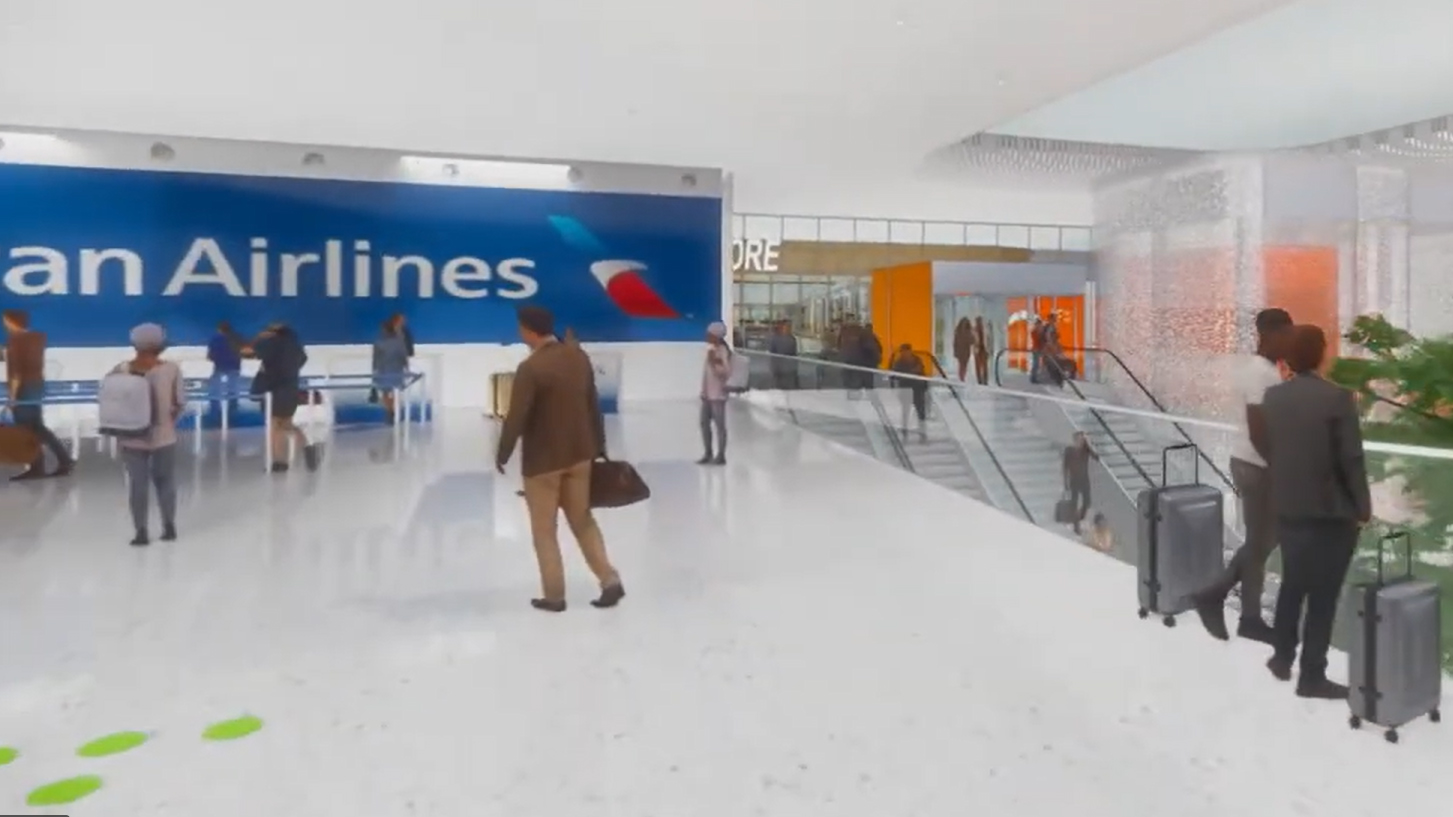
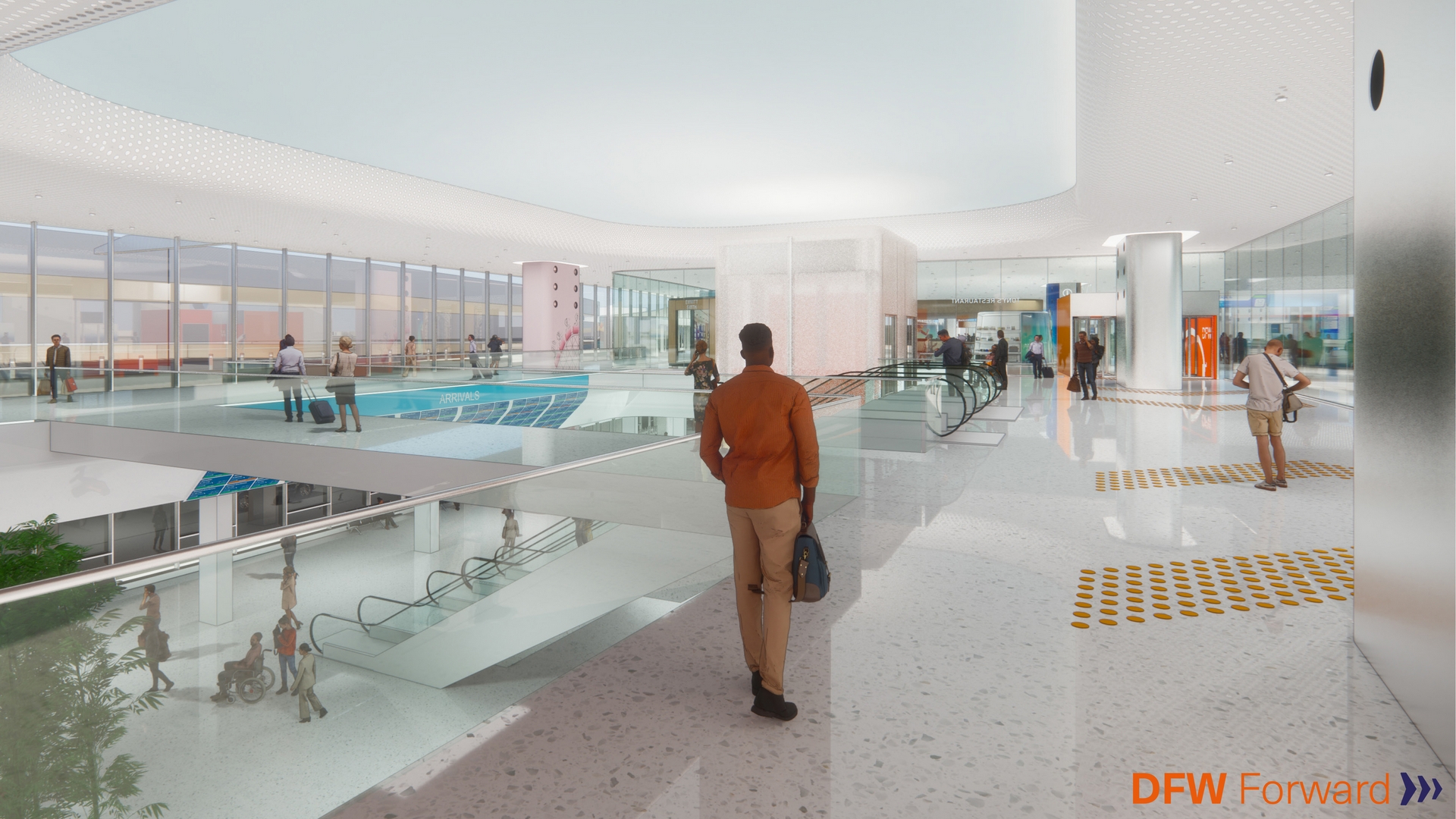
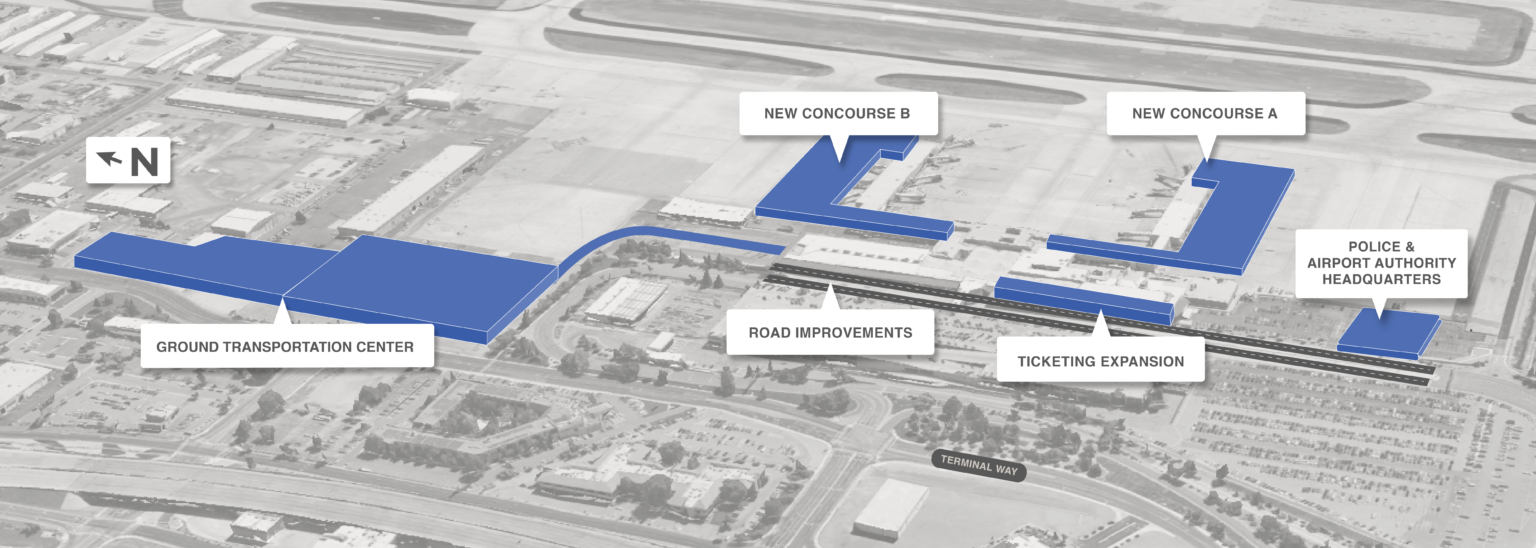
DFW planned three major construction phases for the redevelopment of Terminal C. With one-third of the passenger processing being closed while new gates are opening, TransSolutions quantified the passenger processing requirements to ensure the terminal maintained acceptable Level of Service throughout. 

When it was determined that more temporary processors would be needed only during a particular phase, TransSolutions evaluated an alternate plan which swapped the last two phases and determined that Level of Service could be maintained without building temporary processors. 

Based on this analysis, DFW proceeded with the alternate plan, saving significant construction costs. 

Reno-Tahoe International Airport Gating

Photo: Reno-Tahoe Airport Authority

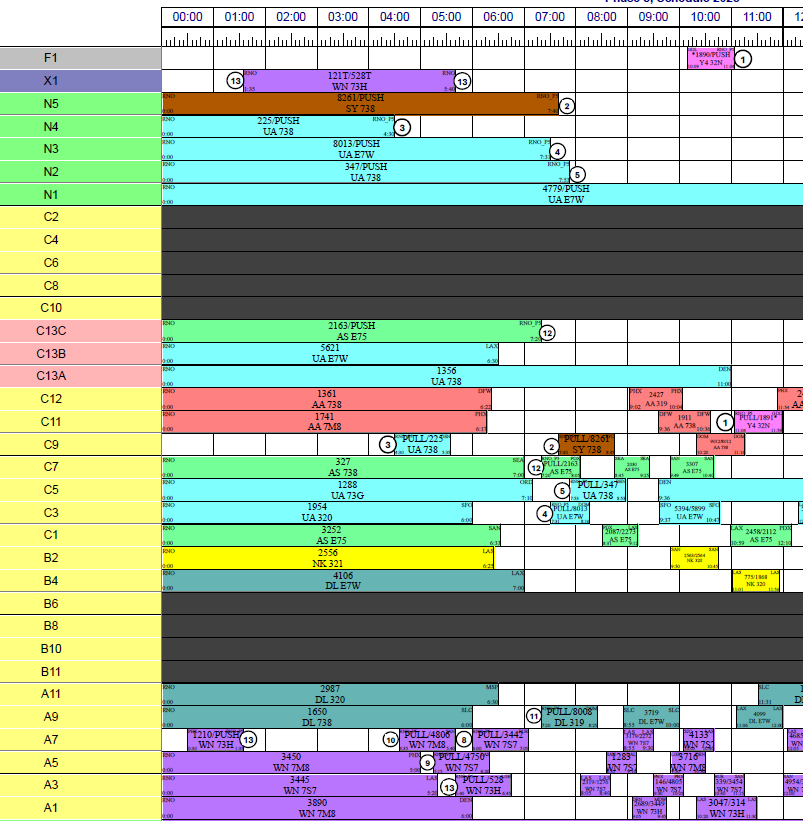
Partial gateboard during construction with gate closures

To shorten the overall construction timeline, RTAA developed an alternative phasing plan which would close more gates during certain phases than originally anticipated. 

TransSolutions supported the MoreRNO team with gating analyses throughout the multi-phase project with the goals of maintaining airlines on signatory gates, providing contact gates for active passenger boarding / deplaning, and requiring minimal airline moves throughout the entire construction program.

Philadelphia International Airport Taxiway Reconstruction

Photo: Philadelphia International Airport

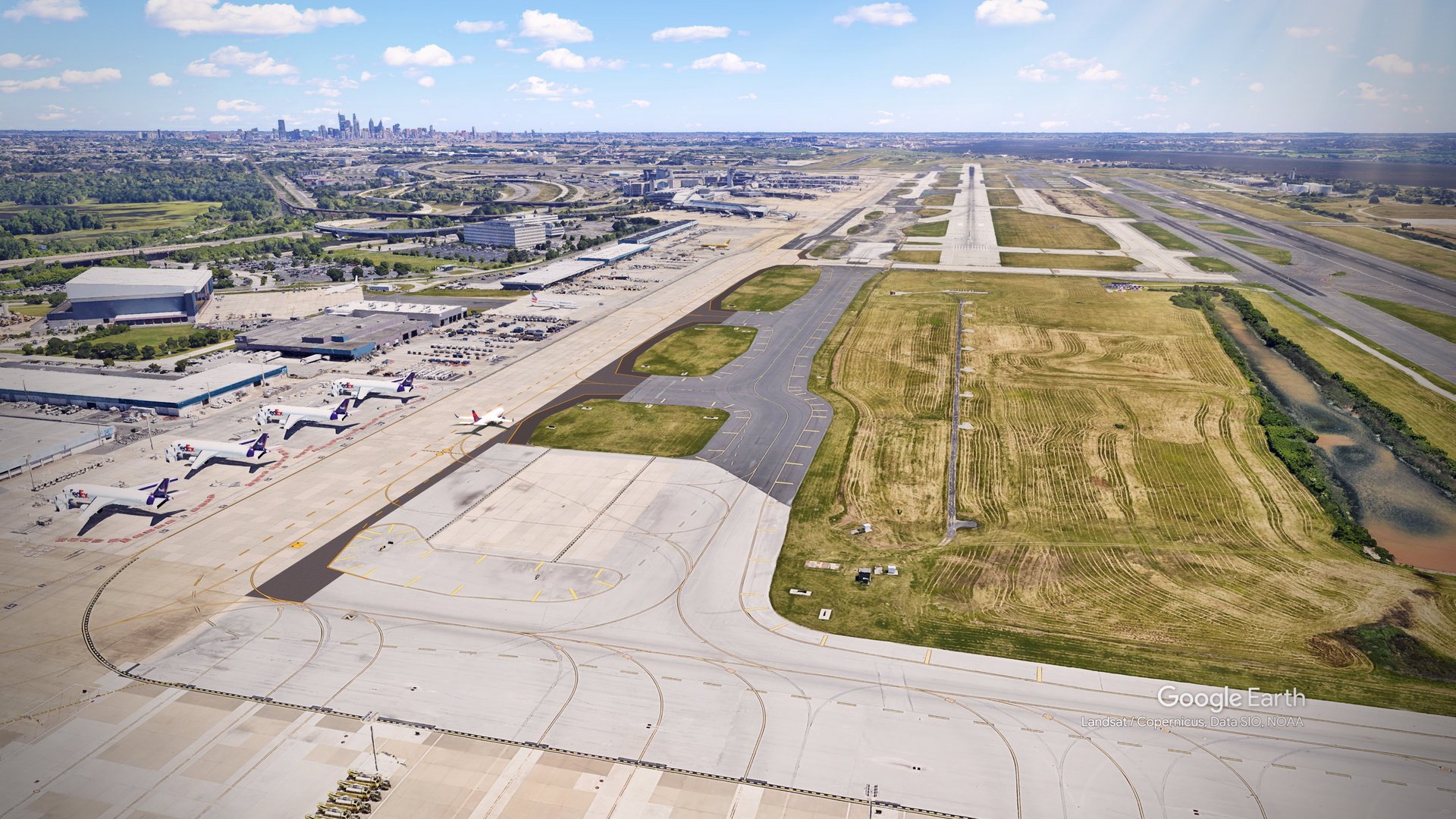
During a multi-year effort to reconstruct several major taxiways, PHL wants to ensure efficient taxiflows so that there is minimal disruption to the airlines. Multiple phases are required to maintain access to all the commercial terminals. 

TransSolutions applied computer simulation analyses to provide stakeholders – airport, airlines, FAA – with critical information on how the airfield would perform during taxiway closures.     

George Bush Intercontinental Airport (Houston)
Terminal B Redevelopment

Photo: IAHTBT

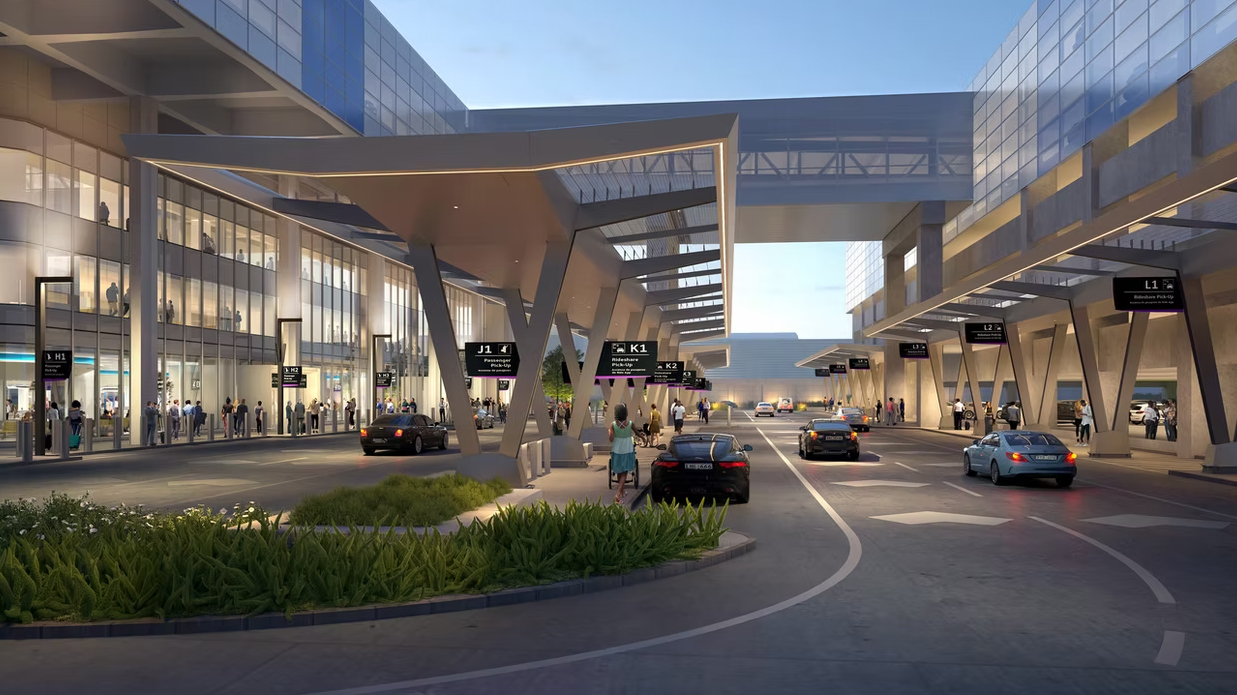
The IAH Terminal B Transformation (TBT) is a $2.5 billion redevelopment of Terminal B at George Bush Intercontinental Airport in Houston, led by United Airlines in partnership with the Houston Airport System. The project replaces the original 1969-era facility with a modern, expanded terminal designed to support future growth. 

TransSolutions supported United Airlines through the use of detailed airport-wide traffic simulation to guide the terminal’s transformation, leveraging weekly sprint cycles to rapidly evaluate and refine traffic control plans, ensuring efficient operations while minimizing impacts to terminal roadways and curbside areas during construction.